TRIGGER WARNING: Domestic violence, psychological abuse, coercion around reproduction, infertility, gender discrimination and cultural trauma
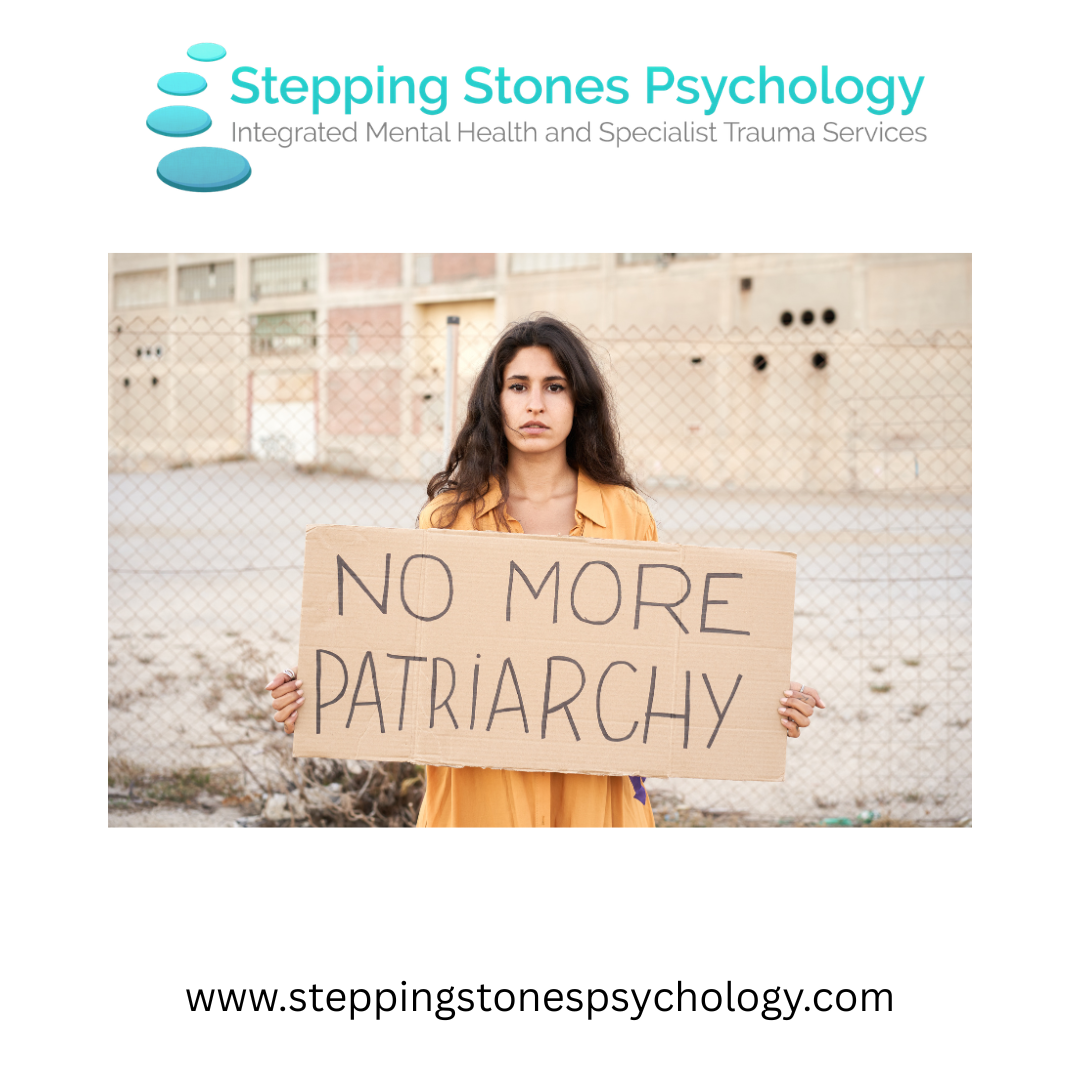
So with all the patriarchy in the world, and especially as someone with Asian roots, where patriarchal expectations can still be very high in some communities, I have been reflecting on some ongoing issues that we still have and that is what I have tried to address in this blog. I hope it will especially be educating for the Asian community because sometimes we cannot challenge something until we are willing to acknowledge that it exists.
In several parts of the world, women are still subjected to domestic violence, psychological abuse, coercion when it comes to reproduction and pressure to have children, particularly sons. Blaming and punishing a woman for not giving birth to a son remains a serious issue, which is shocking as we in the 21st century. Yet, some societies still do not understand that, biologically, the sperm contributes either an X or Y chromosome, while the egg contributes an X chromosome. The sperm obviously comes from the man and not woman, although which sperm fertilises the egg is a matter of natural chance and neither parent can consciously control whether the baby has an XX or XY chromosomal pattern. Yet for centuries, women have been blamed for not producing male heirs.
For me, this is one of those things that really shows how powerful cultural conditioning can be because although we can have access to modern medicine, technology and education, these deeply ingrained beliefs can override basic scientific facts.
In some traditional Indian families, for example, son preference has historically been connected to patriarchal family structures, inheritance, dowry, financial security and expectations that sons will care for parents in later life. In patriarchal households, where a bride moves into her husband’s family home, her social standing can become connected to producing a male heir who will continue the family lineage, so this creates an incredibly unfair situation because the woman has no control over whether she gives birth to a boy or a girl, but can still become the person who is blamed. What I do find very ironic is that the pressure can often come from older women within the family as well. Having experienced similar expectations themselves, some women may end up perpetuating the same cycle because they were taught that producing a son is what gives a woman status, security or respect.
This obviously does not excuse abusive behaviour, but I think understanding how these cycles continue is important as people sometimes pass down the very things that once harmed them because nobody has stopped to question them.
There is another part of this that I have been thinking about for a long time, and that is the way some traditional Tamil communities, among others, have treated women who are childless, divorced or widowed.
In some traditional Tamil Hindu practices, weddings, child-naming ceremonies and other family events are considered auspicious occasions connected with fertility, prosperity and new life. However, because of patriarchal beliefs and superstition, some women, including childless women, widows, divorced women or mothers of only daughters, have historically faced exclusion from certain rituals. Infertility has sometimes been associated with bad karma or being an ill omen, while widowhood has also carried significant stigma in some communities. Some women have been excluded from blessing newlyweds, participating in rituals or even being present during particular ceremonies because of beliefs that their circumstances could somehow bring bad luck.
My own auntie, who sadly became a widow at a very young age of only 40, was not allowed to take part in the rituals of her children’s weddings. I think about this sometimes and find it incredibly sad because she had done nothing wrong and had simply lost her husband so suddenly. Yet somehow, her grief and circumstances were turned into something that made her presence undesirable during her own children’s important life events.
This is one of the reasons I think we need to question some of these beliefs because when you really stop and think about them, some of them are incredibly cruel. I don’t agree with following traditions for the sake of it without questioning whether it is fair and compassionate. The social stigma surrounding infertility and similar issues has also historically existed within Sri Lankan Tamil culture, although, as with any culture, experiences vary significantly between families and generations.
Our history has also changed many traditional family structures, for example, the decades-long civil war forced many Sri Lankan Tamil women into roles that traditional society may previously have considered non-traditional. Women became household heads, sole breadwinners and community leaders, often because of bereavement, displacement or the absence of male family members. Plus the migration and the growth of the Sri Lankan Tamil diaspora also exposed many families to different ideas about education, relationships and gender equality.
This does not mean that patriarchal beliefs disappeared, because they certainly have not, as I have witness how some beliefs can still be quietly carried from one generation to another, even when nobody openly talks about them. However, I do think many younger generations are increasingly questioning some of the things previous generations simply accepted and I do believe this is something I find hopeful because I think we can love our culture and still question parts of it, especially the parts that is not fair or morally right.
We can respect our ancestors and still decide that some of the beliefs they were taught should not be passed down, and one of the ways this is done is by valuing our family while still recognising when family expectations become controlling, as these things can exist at the same time.
One thing I have noticed, both personally and through my work with trauma survivors, is that these beliefs do not simply exist as cultural ideas. When someone grows up repeatedly being told that their worth is connected to something, whether that is marriage, fertility, producing sons or keeping the family happy, these messages can become deeply internalised. Then over time, they can affect the way someone sees themselves, their body, their relationships and even what they believe they are allowed to want.
For some people, this can contribute to shame, anxiety, low self-worth, people-pleasing and difficulty setting boundaries, and when these messages are combined with emotional abuse/domestic violence, the psychological impact can be even more profound.
This is why I think it is important to talk about intergenerational trauma as the beliefs we carry were not created by us, but they can still affect us. We may grow up learning that keeping the peace is more important than expressing how we feel, that family reputation matters more than our wellbeing, or that tolerating harmful behaviour is simply what a good daughter, wife or daughter-in-law does.
Part of healing can involve separating the things we genuinely value from the things we were simply taught to fear, and when I hear clients share a belief or thought that might not be very kind towards themselves, I do use that as an opportunity to reflect together on something deeper by asking them whether the belief is actually theirs or something they have inherited. This is an important one can pause and ask themselves too, I think this can be a really important question because we can inherit beliefs without consciously choosing them. Just think about the fear and shame we inherit, so part of healing is recognising that something we have carried for years may not actually belong to us.
There is also something else that really bothers me about the way women are treated when it comes to fertility, which is that a woman’s body is sometimes being treated as though it belongs to everyone except her. Her family may have expectations about when she should marry and her husband’s family may have expectations about when she should become pregnant, then there are the relatives, who may ask when she is having children. If she has daughters, people may ask when she is going to try for a boy and if she cannot conceive, people may speculate about what is wrong with her. If she chooses not to have children, people may question her decision, if she divorces, people may question what she did wrong and if she becomes widowed, she may suddenly be treated differently because of something that was completely outside her control. At what point do we allow women simply to exist without their worth being measured through their relationship to marriage, motherhood and men?
I know this is a difficult subject, particularly for those of us from Asian backgrounds because these conversations can bring up a lot of emotions. Some of you may recognise your mother, grandmother, auntie or even yourself in parts of what I have written, and that is why I wanted to write about this.
We do not have to hate our culture to change it or reject our families to establish boundaries or reject our heritage to reject harmful beliefs, but I think it is important to ask questions when it comes to wanting something better for the people who come after us, and it is possible to do this while still embracing our culture and heritage.
I am the eldest in my sibling group and also one of the eldest amongst a large family of many cousins! I made some decisions in my life which I didn’t think of as a big deal back then. However, since then, I have had family from the younger generations telling me how I paved the way for them in some ways. I never realised this until they told me, but it did make me reflect on how healing an intergenerational pattern begins with one person asking a question that nobody before them asked and how important it is for us to continue asking these questions. Questions like, why do we believe this, who does this belief benefit, who does it harm, and perhaps most importantly, do we still want to pass it on?
For me, this is not about blaming an entire generation, a religion, a country or a culture but instead recognising that we can inherit beliefs without choosing them and just because something has been happening for hundreds of years does not mean it needs to happen for another hundred. I do believe that one of the most powerful things we can do for the next generation is to leave them with fewer things to heal.
I would love for us to live in a world (I am referring particularly referring to the Asian community I am from) where one day, a woman giving birth to a daughter will not be met with disappointment, a woman who cannot have children will not be treated as though she is somehow incomplete, a widow will be allowed to participate fully in her own family’s celebrations without superstition being placed above her dignity, our daughters grow up knowing that they do not need to produce a son, become a wife or become a mother to prove their worth. A world where women are empowered and given more opportunities and finally allowing them to understand that they were never the problem in the first place.
Carrying the weight of cultural trauma can feel incredibly isolating, especially as navigating these pressures becomes even more complex within the diaspora, where we often find ourselves caught between two cultures, trying to honour our roots while healing from the very traditions that hurt us. If these themes resonate with your own story, please know that you do not have to unpack them alone.
As a therapist with BAATN (The Black, African and Asian Therapy Network), I specialise in culturally sensitive, trauma-informed therapy. I understand first-hand the complex intersections of family loyalty, cultural conditioning and personal identity. Together, we can work on processing these experiences, breaking painful cycles while claiming your own space and voice.
I would like to end this blog with a reflective question for you: What is one cultural belief you were taught growing up that you later questioned? As always, only share what you feel comfortable sharing.
~ Sharmi
©Sharmi under Stepping Stones Psychology – Integrated Mental Health & Specialist Trauma Therapy Services ® ~ All Rights Reserved 2026
If you like to follow my work, here are my social media links:
Please note: I am the most active on my Facebook Page:
Facebook Page
Facebook Group for clients/those seeking trauma resources
Facebook Group for therapists/mental health professionals
Instagram
LinkedIn
Youtube Channel
Support group for parents living with trauma/CPTSD