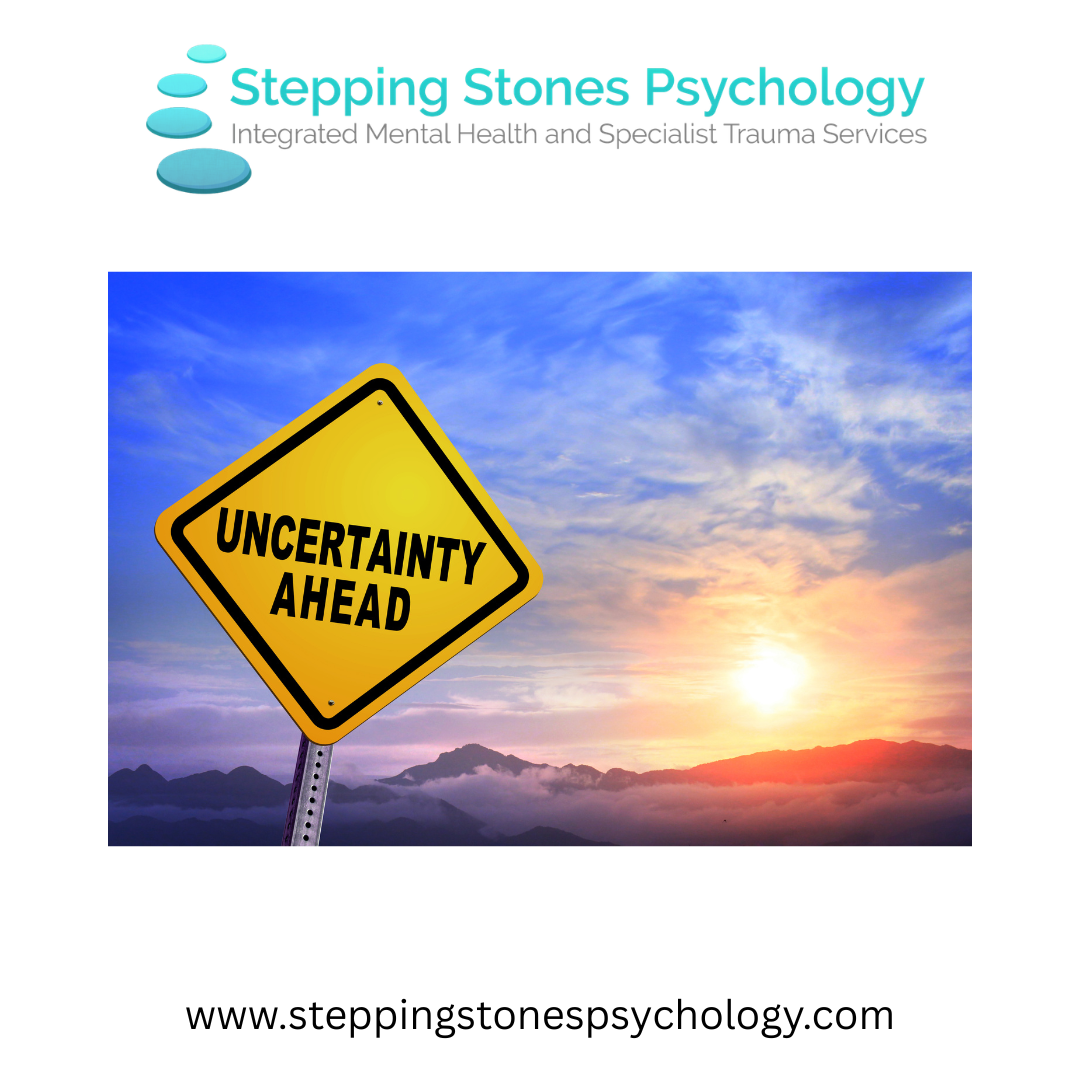
Do you also get anxious and stressed when it comes to dealing with uncertainty and unpredictability? There was a time where this was me, but now I manage much better, unless the situation becomes daily/long-term.
I have recently had to deal with a lot of uncertainty and unpredictability. It has been a daily occurrence due to an ongoing issue that I am waiting for confirmation on, which is a situation that is outside my control.
I have been telling my closest family and friends how this has made me feel ill/unwell, as it has not been a one-off but a daily occurrence of just waiting and waiting. The stress and anxiety of it have been too much for my nervous system.
I am aware that this level of stress and anxiety, as a result of uncertainty and unpredictability, can be uncomfortable for most people. This is part of being human, as we generally feel safer when we have an idea of what is around the corner and what to expect.
The thing is though that it is usually a whole different level for those with a history of trauma or living with PTSD/CPTSD.
For those with CPTSD/a history of trauma, uncertainty and unpredictability can activate the nervous system’s threat response, leaving us feeling on edge, anxious or constantly on high alert. Psychologically, the not knowing can trigger fear, overthinking and a need to anticipate what might happen next, making it very difficult to feel safe or switch off, even when the situation is outside our control.
This is because our past experiences can influence how our nervous system responds to what is happening in the present. For some of us, uncertainty can feel like more than just not knowing what is going to happen. It can bring up feelings of unsafety and a sense of being on high alert. It can trigger a sense of threat and instability, as if the ground was shaking, like not having a solid ground to stand on or scaffolding around us.
It is often not even just about what is happening, but how the uncertainty and unpredictability make us feel while we are waiting for answers. I always joke that I rather have bad news than the waiting around not knowing. The latter which gives me such a horrible feeling in my stomach.
This is why it is so important to understand ourselves and our responses, rather than judging ourselves for how we feel. Often our reactions make more sense when we understand what our nervous system may be responding to and this allows us to be compassionate and empathic towards ourselves rather than judgemental and harsh.
In my case, I know how I have recently been feeling is not a sign of me having taken a step back or anything like that, but the fact that the difficult situation has been a daily occurrence for some time now. This is an important factor because there is little opportunity for the nervous system to settle and recover between episodes of stress (this is particularly important for those with a history of trauma or living with PTSD/CPTSD, as the nervous system may already be more sensitive to perceived threats. This can involve more frequent activation of the body’s stress response, which triggers the release of cortisol. When uncertainty and stress continue over time, repeated activation of this response can make it harder for the body to settle and return to a calmer state). So it makes absolute sense that when uncertainty continues over days or weeks, the ongoing anticipation can build up, leaving us feeling constantly on edge and emotionally exhausted.
I hope this helps you remember that you are not weak for finding uncertainty difficult and you are not overreacting just because something (incl. what might appear like something small to others) feels more overwhelming for you than it might for someone else. So please remember to be kind to yourself if you are finding yourself struggling with uncertainty and unpredictability, and know that you are not failing in your post-traumatic growth/healing journey. It just shows that your nervous system needs a little more time, safety and compassion, especially when you have been through experiences that have taught you to expect the unexpected.
If you are going through a difficult time at the moment feeing overwhelmed and triggered, I can strongly recommend a fellow trauma therapist, Masha’s FREE guided toolbox: Masha’s Self-Help Toolbox: #0 Introduction
What can you do today to help yourself feel a little safer, even when you don’t have all the answers?
~ Sharmi
©Sharmi under Stepping Stones Psychology – Integrated Mental Health & Specialist Trauma Therapy Services ® ~ All Rights Reserved 2026
Please note: I am the most active on my Facebook Page:
Facebook Page
Facebook Group for clients/those seeking trauma resources
Facebook Group for therapists/mental health professionals
Instagram
LinkedIn
Youtube Channel
Support group for parents living with trauma/CPTSD