I have not been following the Lindsay Clancy case closely, but I have obviously seen it pop up, and I could not help noticing how many angry comments there are from people who perhaps don’t fully understand mental health and how it can affect someone.
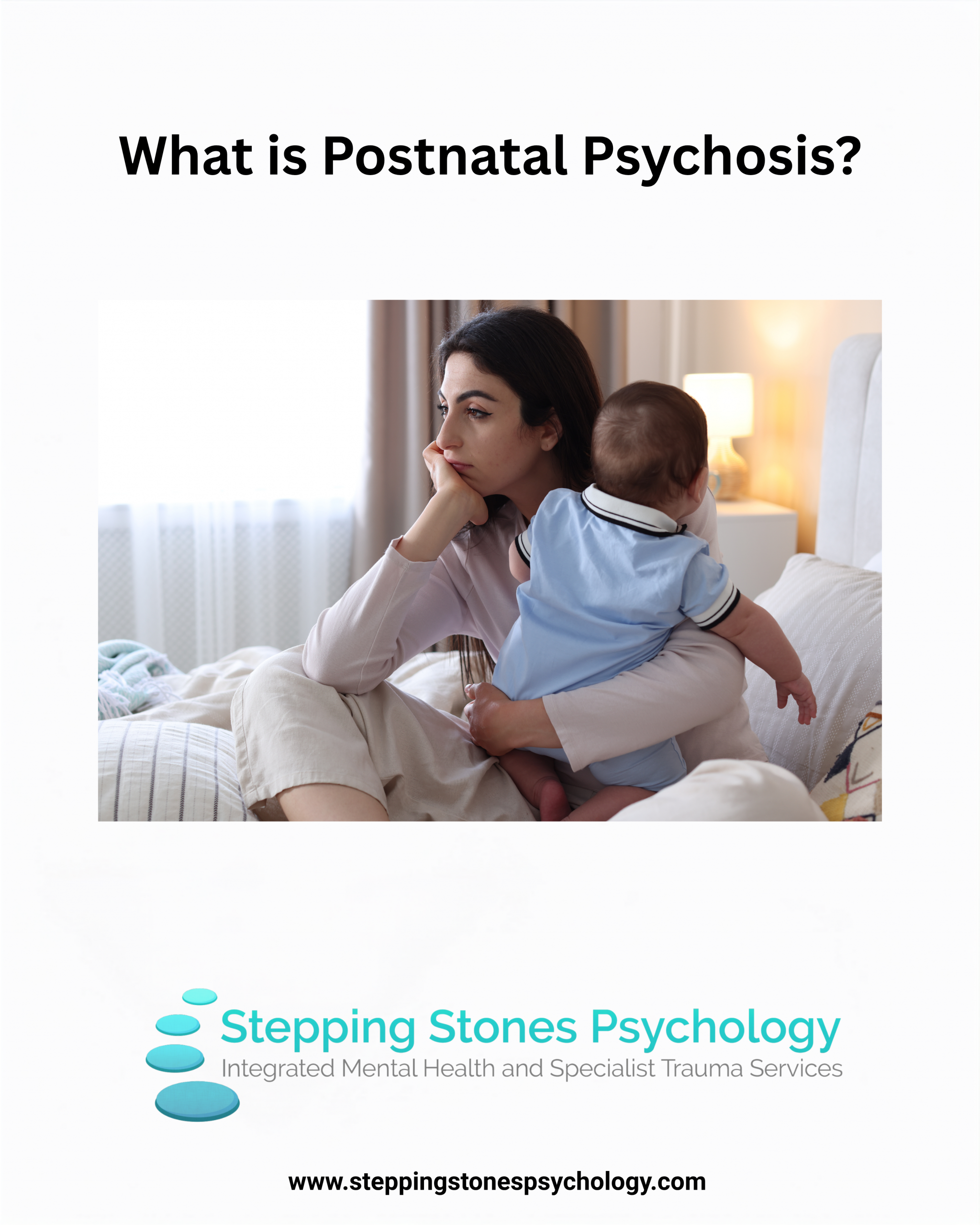
Postpartum psychosis is a type of psychosis and psychosis basically means that a person can lose touch with reality. Anyone working in mental health, particularly those who work with psychosis, would understand that this is not the person’s fault and that they are not to blame. They are unwell and need help and support, not judgment as psychosis is a serious medical illness, not something someone chooses or causes themselves.
I also say this from some personal understanding. Outside of my professional work, I have witnessed someone I love experience postnatal psychosis. Seeing someone you know and love lose touch with reality can be incredibly distressing, and it also gave me a very real understanding of just how unwell a person can become and how much they need compassion and appropriate support.
I have also seen many comments comparing postpartum psychosis with the baby blues or ordinary postnatal depression. While postnatal depression is absolutely a serious and challenging condition in its own right, postpartum psychosis is different and much more severe. It is a psychiatric emergency because the person may not realise that they are unwell and can potentially be at risk of harming themselves or someone else.
What I find particularly sad about this Lindsey’s case is the reports that she repeatedly reached out for help. If someone is experiencing symptoms of psychosis and is repeatedly asking for help, they need appropriate and urgent medical support. Postpartum psychosis can be treated, and people can and do recover with the right treatment and support.
When someone is repeatedly reaching out but their needs aren’t recognised or appropriately responded to, that raises very serious questions about whether the system has failed them. This makes me reflect on our own mental health system and a wider issue here in the UK.
There is a significant gap in the system when it comes to supporting people experiencing severe and complex mental health difficulties, whether that involves complex trauma, psychosis or both.
I hear from many people who feel that there is nowhere for them to go within the NHS. Someone may be considered too complex for some talking therapy services, while at the same time not meeting the threshold for specialist psychiatric services, so they can end up falling into a gap between services.
For some people, the only remaining option appears to be private support, but then again, private psychiatric service is simply unaffordable for many people, so they may instead approach a counsellor or therapist privately, which then creates another difficult issue.
A person with significant or active psychosis may end up seeking support from a therapist whose training and competence does not include working with psychosis. I can understand why therapists may find themselves in a difficult position as they don’t want to simply turn someone away when that person is clearly struggling and asking for help, but as therapists, we also have a responsibility to work within our competence.
That doesn’t mean we have to be uncaring and turning clients away, but it means offering whatever safe and appropriate support is within our competence. This also means being very clear about what we can and cannot provide and making sure we maintain good supervision with a supervisor competence when it comes to working with psychosis. It also means making sure that we advocate for the client to receive the appropriate medical or specialist support they need.
In my own case, although I previously worked as a psychiatric and therapeutic counsellor in a psychiatric rehabilitation centre in Sri Lanka, I would still not describe working with psychosis as being within my current area of competence. So when I receive a referral from someone who has experienced complex trauma and wants support with this and related difficulties, but also has psychosis, I am very clear about the boundaries of what I can offer.
I can work with some aspects of their trauma and trauma responses, where appropriate, but I cannot provide treatment for psychosis. I would therefore encourage them to seek appropriate medical or specialist mental health support alongside any trauma-focused work.
For me, this isn’t about turning people away but making sure that people receive the right kind of help from the right professionals, while still treating them with compassion, dignity and respect.
Mental illness is not a moral failing and psychosis is definitely not a choice, so people experiencing severe mental health difficulties deserve support rather than blame and judgment. I believe it is also worth remembering that psychologically, we can be particularly quick to judge mothers when we perceive them as struggling or failing in their role. Research shows that mothers experiencing mental health difficulties often face stigma, guilt and fears of being judged as a bad mum or unfit parent.
So I think it is worth asking ourselves how unwell someone must have been, and what support did they need but could not not receive, instead of instead of asking how a mother could do this.
~ Sharmi
©Sharmi under Stepping Stones Psychology – Integrated Mental Health & Specialist Trauma Therapy Services ® ~ All Rights Reserved 2026
If you like to follow my work, here are my social media links:
Please note: I am the most active on my Facebook Page:
Facebook Page
Facebook Group for clients/those seeking trauma resources
Facebook Group for therapists/mental health professionals
Instagram
LinkedIn
Youtube Channel
Support group for parents living with trauma/CPTSD